By involving ADME / DMPK early in the drug discovery process you can ensure the best molecule is progressed. At Charnwood Discovery, not only do we have a range of in vitro ADME assays available, but we also have experts in different DMPK areas allowing us to offer a tailored approach to your project needs.
In Vitro ADME Assays that Ensure the Right Question is Answered

Our team collaborates with you to customize in vitro ADME assays that effectively address your specific project questions, as a standard practice.
Physicochemical Properties
Developing new candidates that combine biological activity with appropriate physicochemical properties is one of the key challenges in the drug discovery process. Therefore, investigating the physical properties alongside the chemical properties of the drug substances is crucial in early drug discovery.
Aqueous Solubility
Compound solubility is tested with our Kinetic Solubility assay developed using the MultiScreen® Solubility filter plates. No chromophore, no problem! This assay is available with either a UV or LC-MS end point.
Find more information on aqueous solubility here.
Lipophilicity
To determine the partition co-efficient we use our Chromatographic LogD experiment, which offers a higher throughput than the traditional LogD shake flask assay.
Find more information on lipophilicity here.
Permeability
Considering the drug’s permeability is a crucial aspect of the drug discovery process, particularly when aiming for oral delivery. The drug’s ability to cross the cell membrane depends on transporter proteins and membrane permeability.
At Charnwood Discovery, we can measure permeability using the following assays:
Caco-2 (Human Colon Epithelial Adenocarcinoma Cells)
21-day differentiated cells are used as model for the human intestinal barrier as they differentiate and polarize to form tight junction and express transporter proteins (e.g., P-glycoprotein and BCRP). This allows for the assessment of both passive and active transport across the monolayer, and enables the determination of an efflux ratio of the test compound.
Find more information on Caco-2 here.
Metabolic Stability
Understanding the metabolism in drug discovery is essential. It influences how much compound is removed before it can exert a therapeutic effect, how long a drug will remain in the body, and the dosing strategy.
The primary organ responsible for the metabolism of drugs is the liver. The liver intrinsic clearance (CLint) is the measurement of the liver’s innate ability to transform and eliminate a drug from the body. This excludes factors such as hepatic blood-flow and protein binding.
Microsomal Stability
Liver Phase 1 metabolism is studied with the use of liver microsomes, a sub-cellular fraction, that are a useful tool for the in vitro assessment of intrinsic clearance.
Other microsomal fractions can also be studied as required (intestinal or renal).
Find more information on our mircosomal stability assay here.
Hepatocyte Stability
Cryopreserved hepatocytes incubated in suspension contain both phase I (cytochrome P450s) and phase II metabolizing enzymes, as well as the necessary co-factors, enabling them to be used at Charnwood Discovery to study liver drug metabolism.
Find more information about our hepatocyte stability assay here.
Other Stability Assays
The stability of compounds is an important factor to consider when understanding potential issues with in vitro assays as well as prioritizing compounds for in vivo studies.
Stability assays can be conducted in various matrices, including, plasma, whole blood, serum, and buffer.
Find more information on plasma stability here.
Distribution
Plasma Protein Binding (PPB)
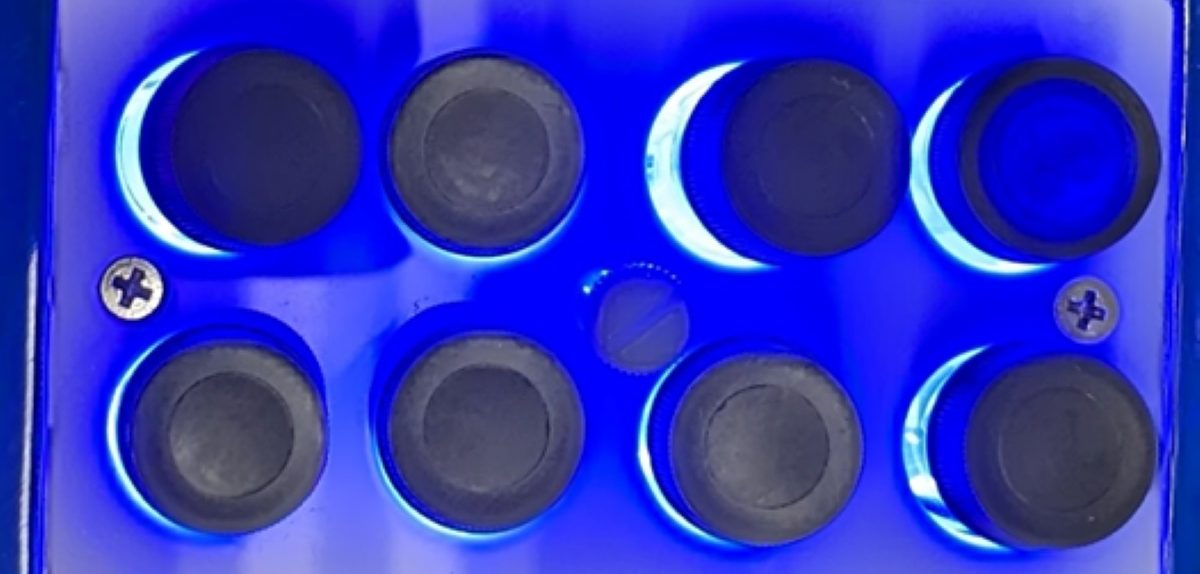
The Rapid Equilibrium Dialysis from Thermo Scientific™ (apparatus for performing equilibrium dialysis experiments in a high-throughput, automation-compatible format) is used at Charnwood Discovery to determine the protein binding of drugs.
Find more information on plasma protein binding assay here.
Drug - Drug Interaction (DDI)
DDIs can be defined as two different medications altering each other’s pharmacological effect as a direct consequence of exposing the body to one or more drugs simultaneously.
Unanticipated, unrecognized, or mismanaged DDIs are an important cause of morbidity and mortality associated with prescription drug use and have occasionally caused the withdrawal of approved drugs from the market. (FDA)
CYP Inhibition IC50
CYP enzyme and transporter-mediated drug interactions are some of the most common mechanisms for affecting drug absorption, distribution, metabolism, and excretion (ADME) that can cause a DDI. At Charnwood Discovery, the determination of the IC50 in human liver microsomes are used to estimate the effect that the compounds have on 7 CYP isoforms.
Find more information on CYP inhibition here.
FAQs
Additional Services & Capabilities
In addition to in vitro ADME assays, Charnwood Discovery also offers the following services to support clients in identifying the best drug candidates and advancing their projects.
Our core capabilities, in addition to ADME / DMPK services, are
All Under One Roof!
Our compelling ‘under-one-roof’ service ensures that the best scientific minds can quickly and easily collaborate to move your project forward. We recruit from a global talent pool for diversity of intellectual input and, by investing in our scientists’ on-going development, they stay at the cutting edge of the latest advances.